

Quakers are a Christian-rooted community that believes every person can experience God directly, without the need for priests or formal rituals.
About Quakers
Quakers
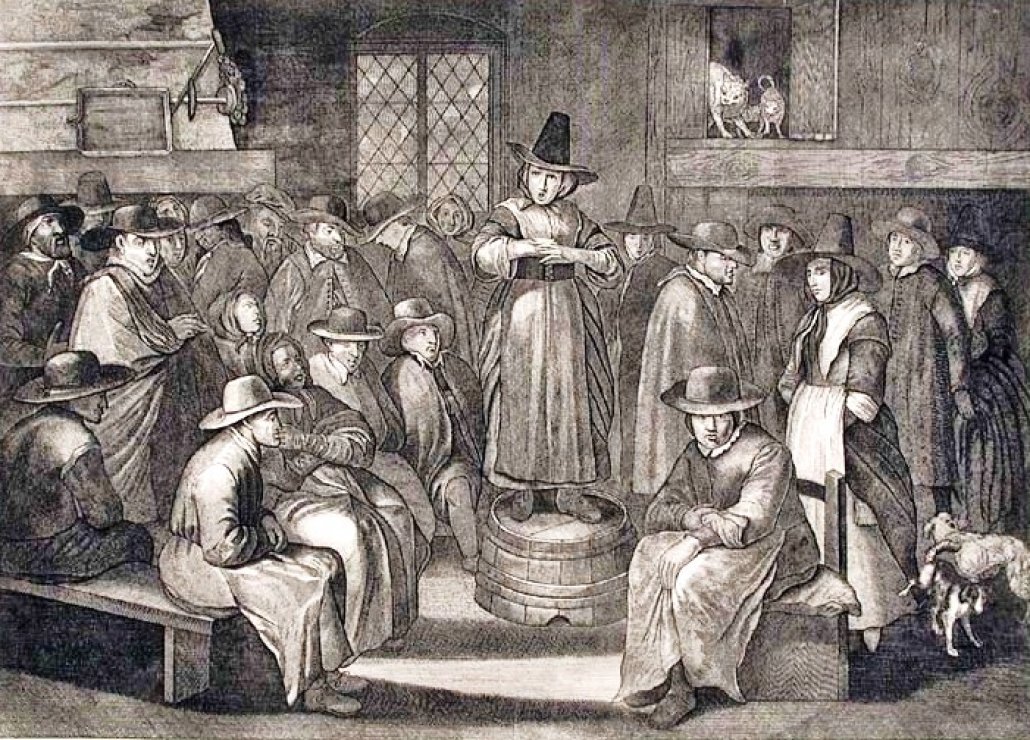
Quakers are a Christian-rooted community that believes every person can experience God directly, without the need for priests or formal rituals. We seek to live out that belief in everyday life.
Because Quakers are a decentralized community without a single creed or authority, our beliefs can sometimes be hard to explain. Many people recognize our values of simplicity and peace, but fewer know the spiritual convictions that guide our lives. Here are a few helpful things to know.
Page Links
A Christian-Rooted Movement
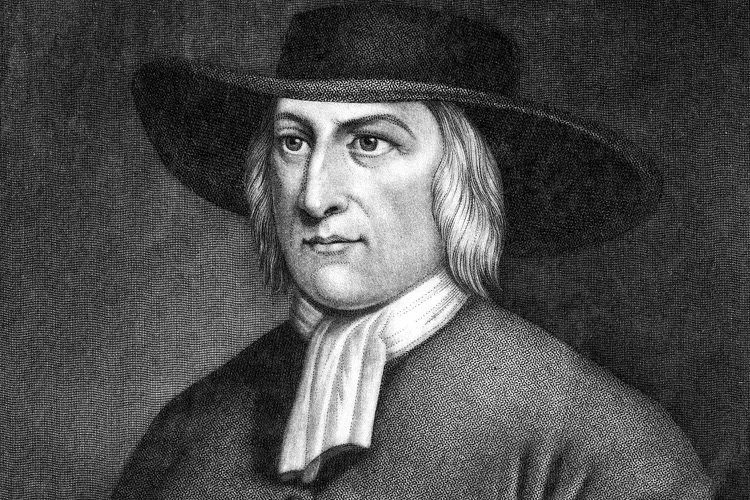
Quakers—formally the Religious Society of Friends—was founded in England in the mid-1600s by George Fox during a time of great religious and political upheaval. A small group of seekers felt that existing churches no longer spoke to their spiritual hunger. They longed for a direct experience of God rather than relying solely on priests, rituals, or creeds.
George Fox spoke of discovering that Christ could speak directly to the human condition. This insight led Friends to believe that the Spirit could guide each person inwardly. They called this presence the Inner Light, trusting that something of God lives within everyone.
From these beginnings grew a simple way of worship and life. Friends gathered in silence, listening together for divine guidance. Over time, this practice shaped the Quaker testimonies of simplicity, peace, integrity, community, equality, and stewardship—ways of living that reflect the Light they seek to follow.
The Inner Light
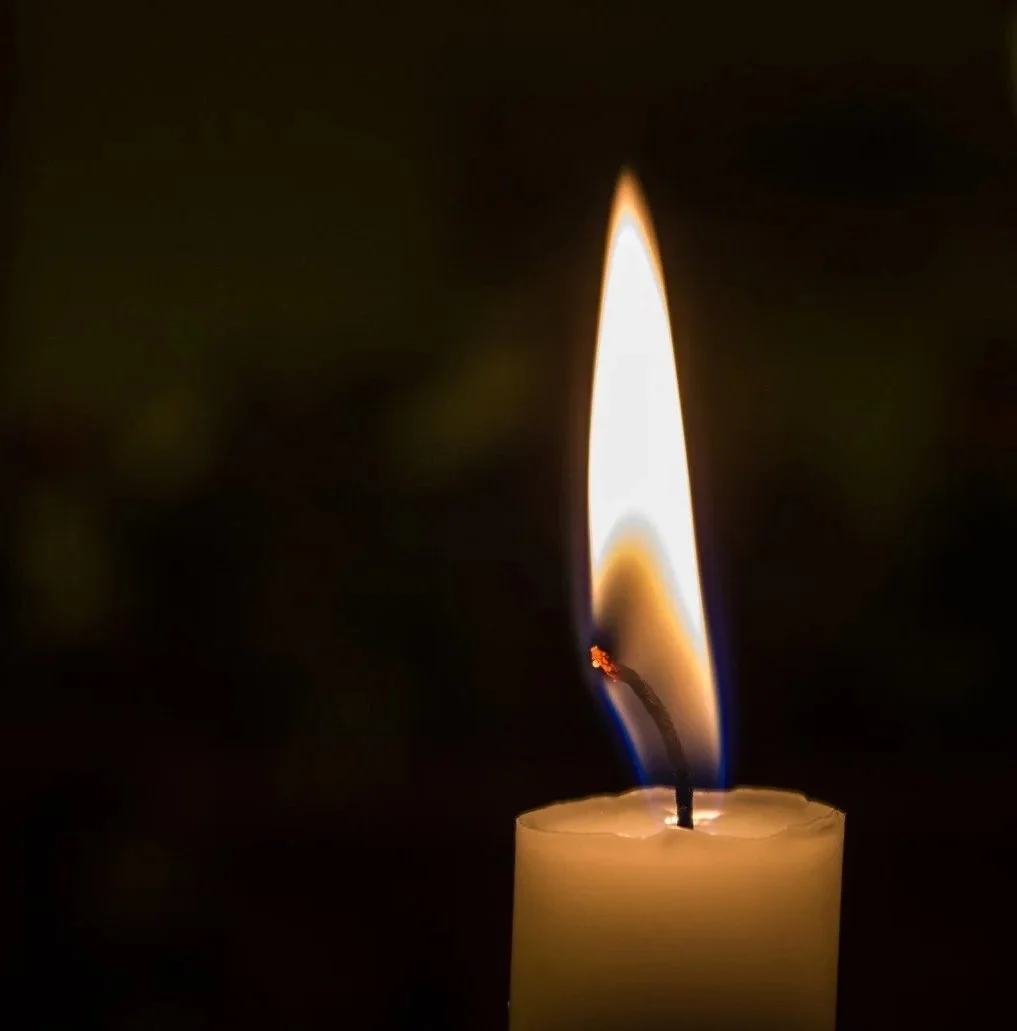
From the beginning, Friends have held that there is “that of God in everyone.” Early Quakers spoke of this as the Inward Light, often understood as the presence of Christ within, known through silence and stillness. In this quiet, the Light reveals truth, guides the conscience, and helps align one’s life with God’s will.
Over time, Friends have come to speak more broadly of the Inner Light as something present in every person. However it is named, this Light calls us toward truth, compassion, and right action, and forms the foundation of the Quaker testimony of equality. When Friends say they are “holding someone in the Light,” they are offering quiet, prayerful care—trusting that the same Light can sustain and guide us all.
Resources
Quaker.org: The Inner Light
Simplicity in Worship
“For me, Quaker silence is a way to still my mind, body, and heart so that there is room for that which is larger.”
— P, Holland Quaker Friend
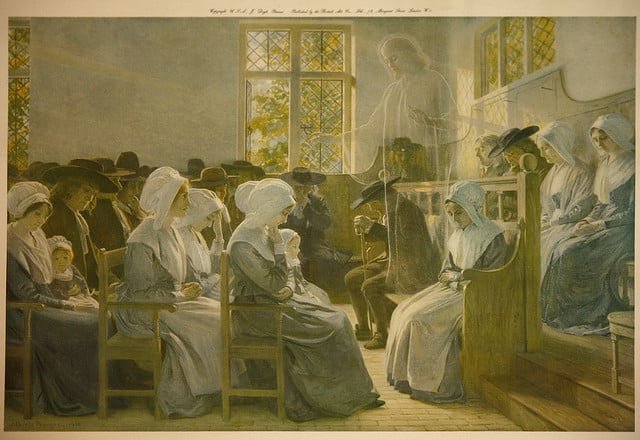
Quaker worship is marked by simplicity. Friends gather in quiet, without formal liturgy, music, or a designated leader, trusting that the Spirit can speak directly to each person. The meeting often begins in silence, where individuals settle inwardly and listen for the Inner Light. There is no expectation to speak; if someone feels led to share, they may offer a few words, and the meeting returns to silence.
This simplicity is not emptiness, but intention. By setting aside outward forms and distractions, Friends seek to make space for what is essential—truth, presence, and guidance. The quiet allows each person to come as they are, and together the group waits in a shared stillness, trusting that something deeper can be known in the silence.
Resources
Quaker.org: How do Quakers worship?
We Are Friends
“I no longer call you servants, because the servant does not know what the master is doing, but I have called you friends, because I have made known to you everything that I have heard...”
— John 15:15
The name Friends comes from Jesus’ words in James 15:15: “I have called you friends.” Early Quakers embraced this language to express their belief in a direct, personal relationship with God—one not dependent on priests, hierarchy, or formal structures. To be called a Friend was to recognize that each person could know and respond to the Spirit inwardly, and that all stood equal before God.
The term Quaker, by contrast, began as a nickname. In 1650, a judge mocked early Friends for “quaking” at the word of God. What was first meant as an insult was later accepted and is now widely used. Today, many use both Friend and Quaker interchangeably, though Friend continues to reflect the heart of the tradition—relationship, equality, and a shared life rooted in the Light.
Resources
Quaker.org: How do Quakers worship?
Rooted in Action
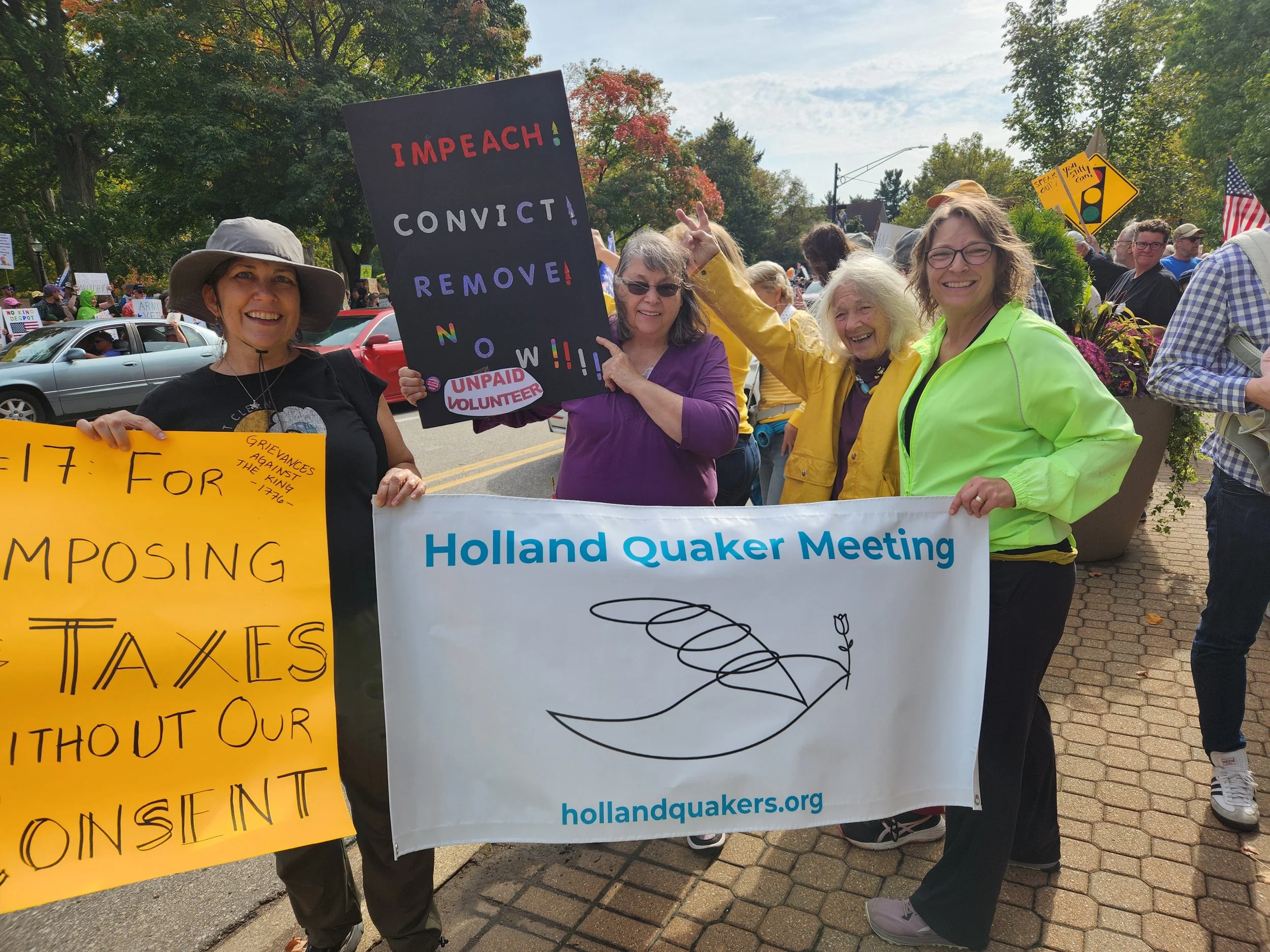
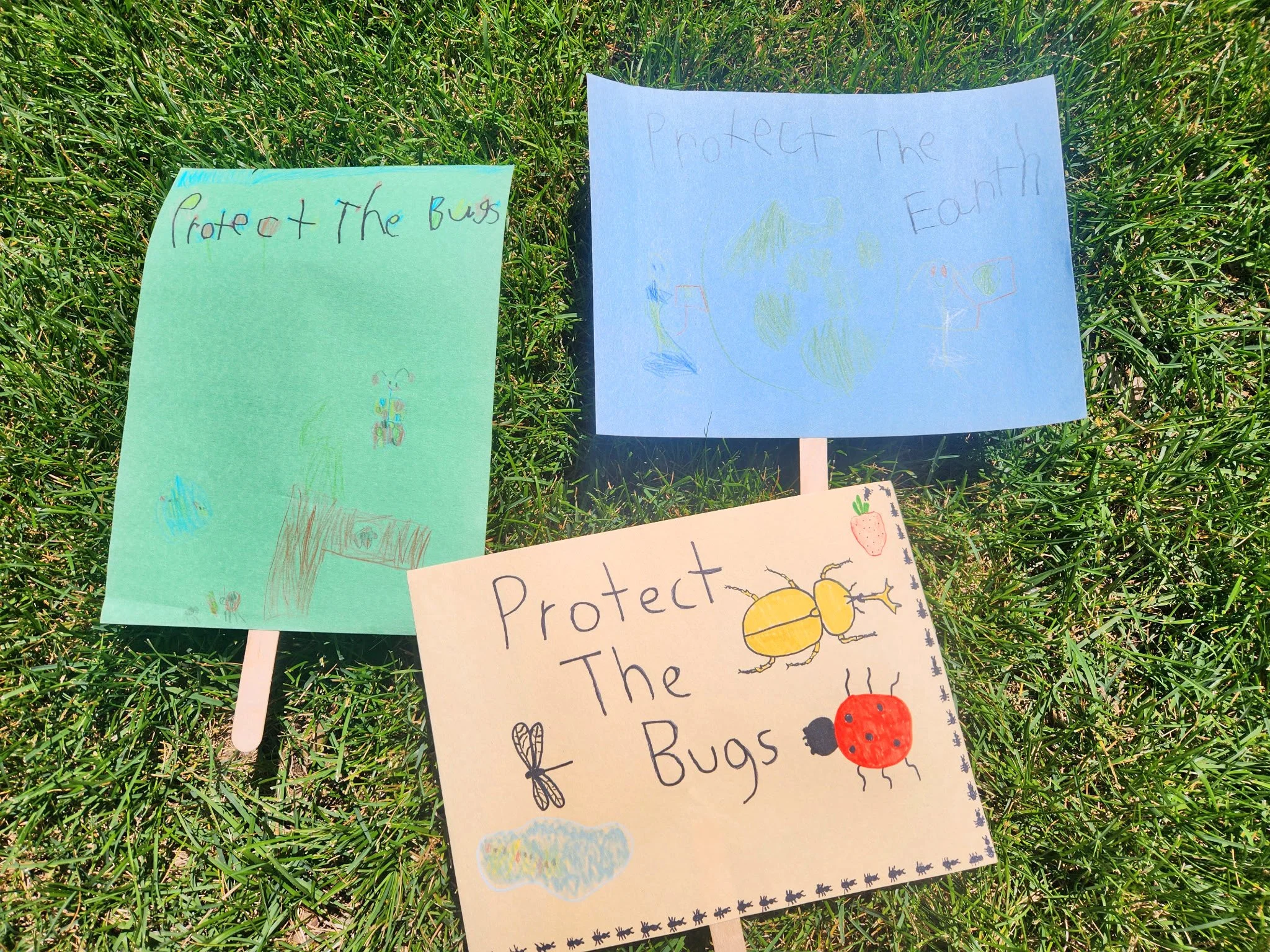
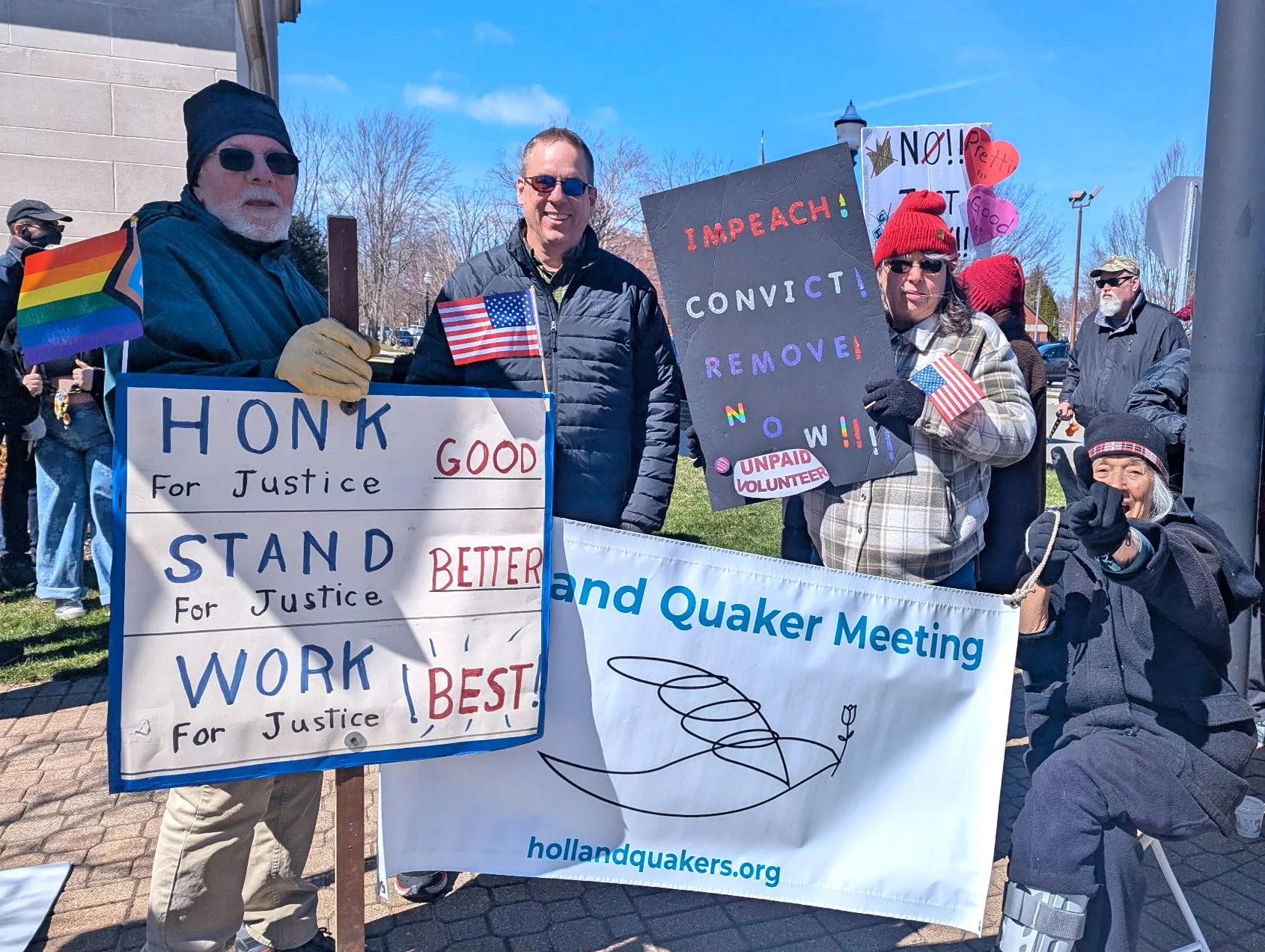
The foundational belief that there is something of God in every person calls Quakers to seek equality, justice, and kindness for all. What this looks like has many expressions—petitioning for laws that protect the vulnerable, sitting in community and listening for what matters, speaking truth to power, offering a kind hand, and nurturing creativity, hope, and love along the way. This same belief led early Friends to challenge slavery, advocate for prison reform, support religious freedom, and practice nonviolence. Today, their example reminds us how steady, grounded faith can help shape a more just and caring world.
Quaker Activism
Lucretia Mott
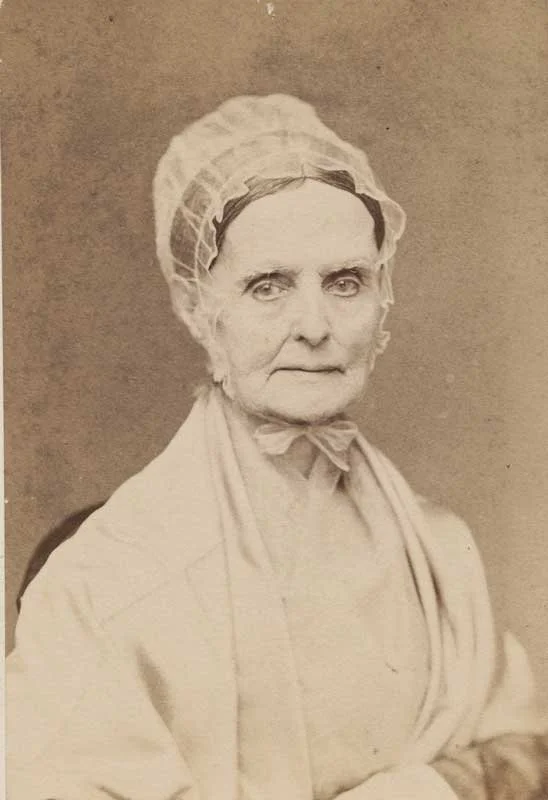
Abolition of Slavery
Quakers were among the first organized groups to oppose slavery. In 1776, Philadelphia Yearly Meeting barred members from owning slaves. Friends like John Woolman and Lucretia Mott devoted their lives to abolition.
Susan B. Anthony
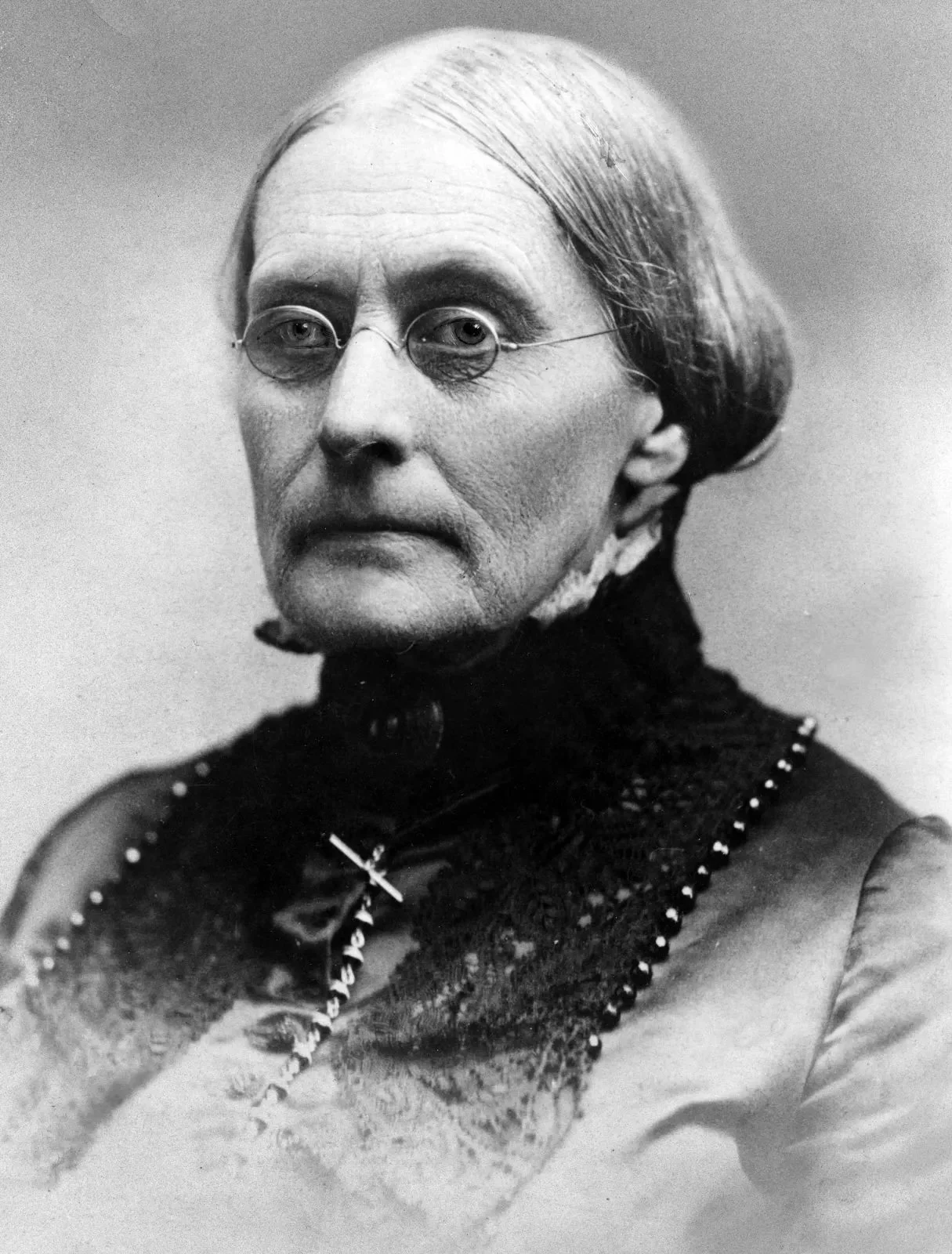
Women’s Rights and Suffrage
Many leaders of the women’s rights movement were Quakers, including Susan B. Anthony, Elizabeth Cady Stanton, and Alice Paul. They drew on the Quaker belief in equality to advocate for women’s right to vote.
Bayard Rustin
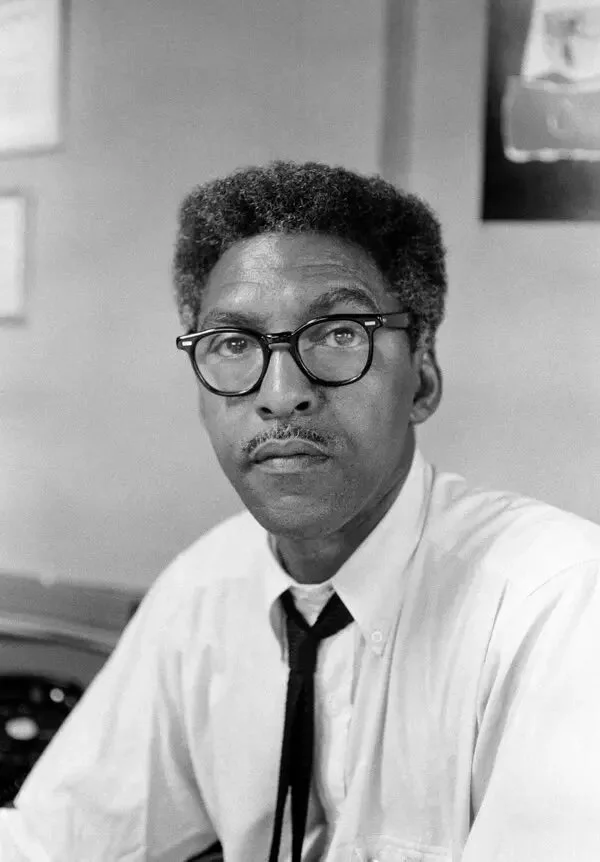
Civil Rights Movement: Quakers contributed to the U.S. Civil Rights Movement. Bayard Rustin, a Quaker and advisor to Martin Luther King Jr., helped organize the 1963 March on Washington and advanced nonviolent strategy.
A. J. Muste
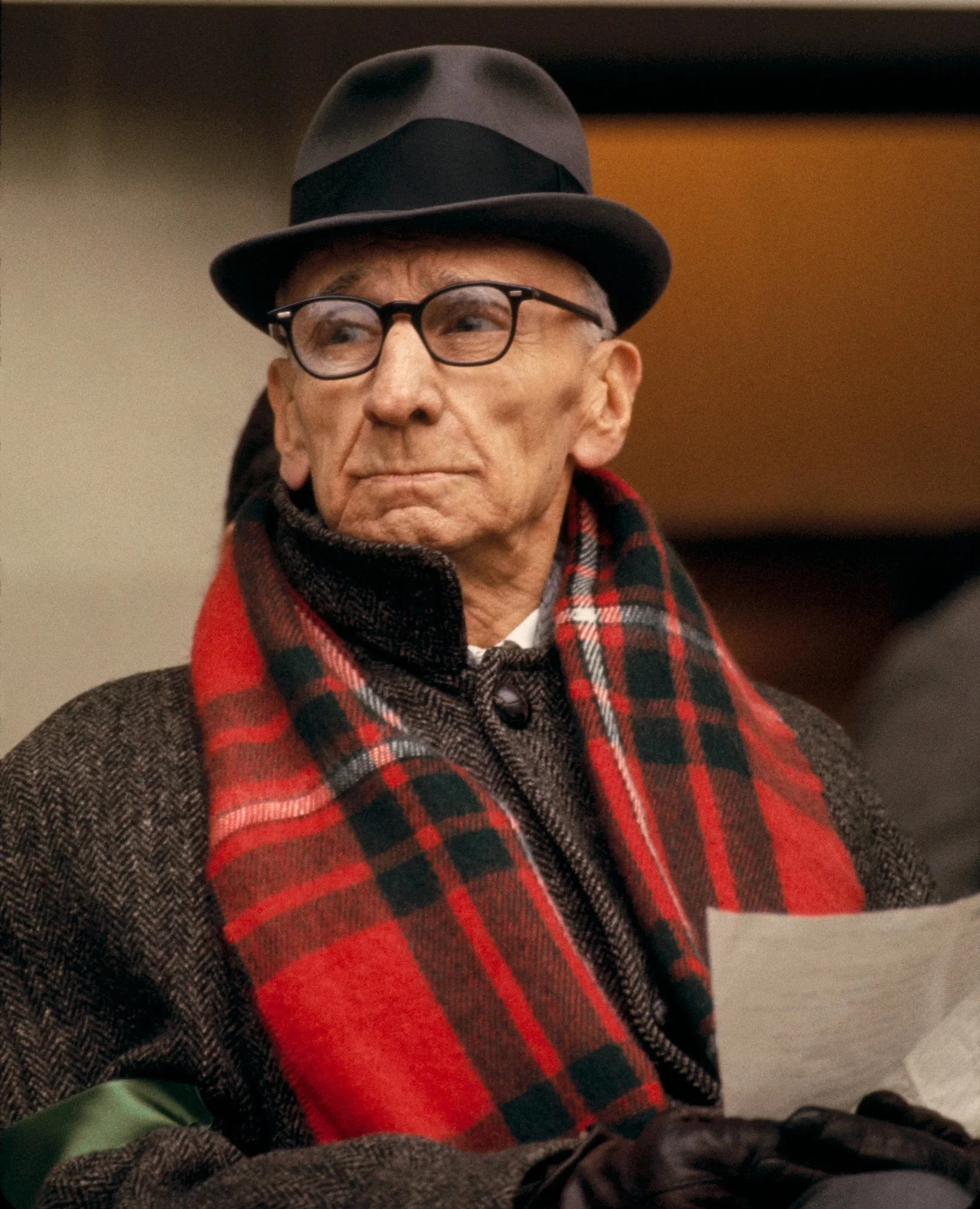
Quaker Pacifism:
Quaker values influenced generations of peace activists. After attending Hope College in Holland, Michigan, A.J. Muste devoted his life to labor organizing, civil rights, and nonviolent resistance.

Our Stories
Stories have always played an important role in the Quaker tradition. From the earliest days, people shared personal experiences of how the Spirit moved in their lives.
Our Values
Although Quakers have no official doctrine, we do have shared testimonies or values which are unifying across communities—Simplicity, Peace, Integrity, Community, Equality, and Stewardship.